
Flat Feet Treatment in Minnesota
Understanding Flatfoot Deformity and Today’s Treatment Options
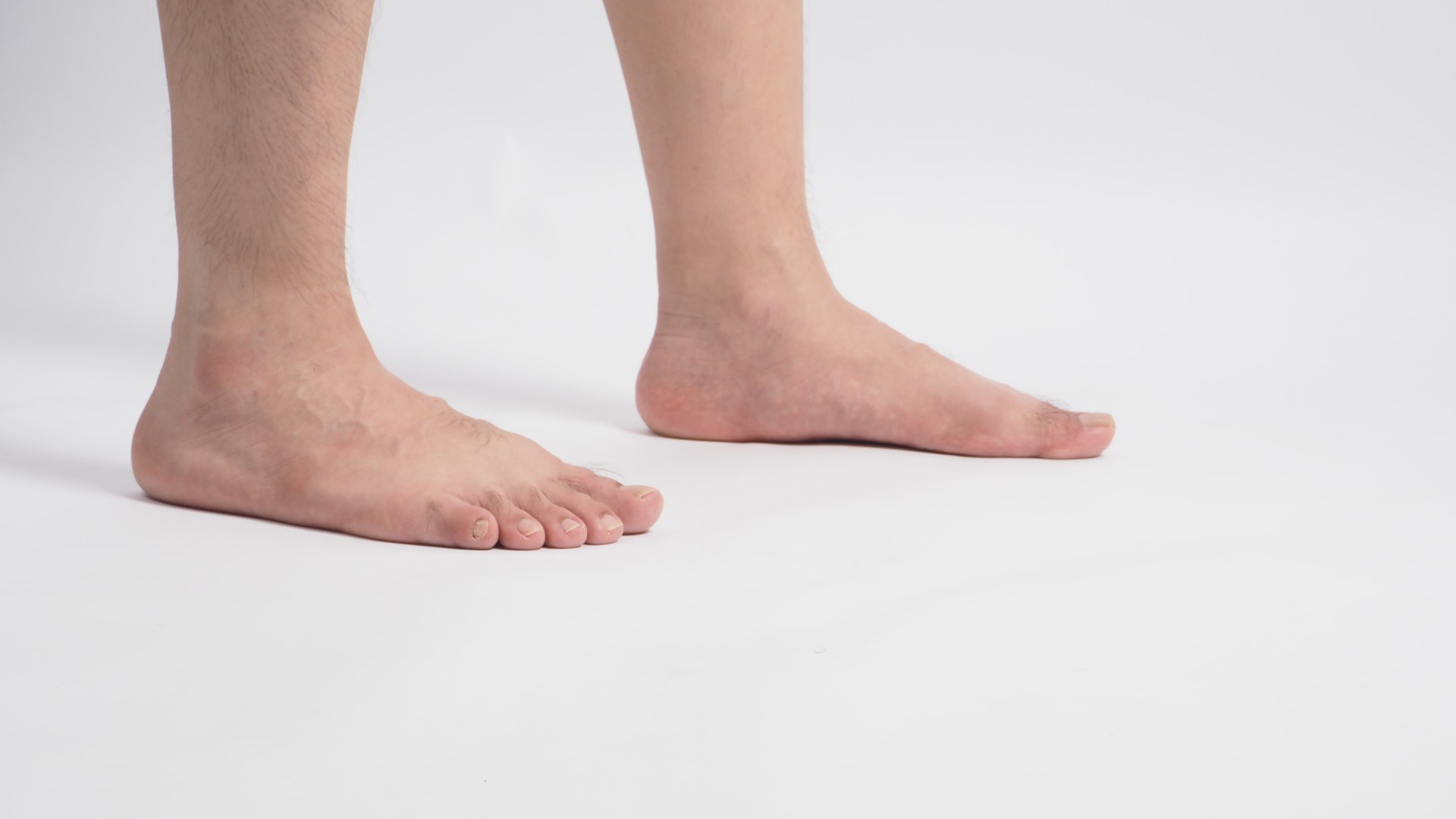
Flat feet—also called flatfoot deformity, pes planus, or fallen arches—occur when the arch of the foot collapses and no longer provides proper support. While some people are born with flat feet, many develop the condition later in life due to tendon weakness, injury, or gradual structural changes.
Flatfoot deformity is not just a cosmetic concern. As the arch collapses, the foot and ankle shift out of alignment, often leading to pain, fatigue, and progressive joint stress. The experienced team at Midwest Podiatry Centers offers advanced evaluation and a full range of treatment options—from highly specialized custom orthotics to modern reconstructive surgery—based on each patient’s needs.
What Is Flatfoot Deformity?
Flatfoot deformity develops when the structures that normally support the arch—especially the posterior tibial tendon—can no longer maintain proper alignment. This tendon plays a critical role in stabilizing the foot during walking and standing and is the most common cause of adult-acquired flatfoot.
As the condition progresses:
- The arch gradually collapses
- The heel shifts inward
- The foot rolls excessively during walking
- Stress increases throughout the ankle and lower leg
Early treatment is key to preventing progression and long-term damage.
Common Symptoms of Flat Feet
Patients with flatfoot deformity may experience:
- Pain along the inside of the foot or ankle
- Swelling near the inner ankle
- Foot and leg fatigue
- Difficulty standing on tiptoes
- Pain that worsens with activity
- Progressive flattening of the arch
Symptoms often start gradually and worsen over time if left untreated.
Custom Foot Orthotics: The Foundation of Flat Feet Treatment
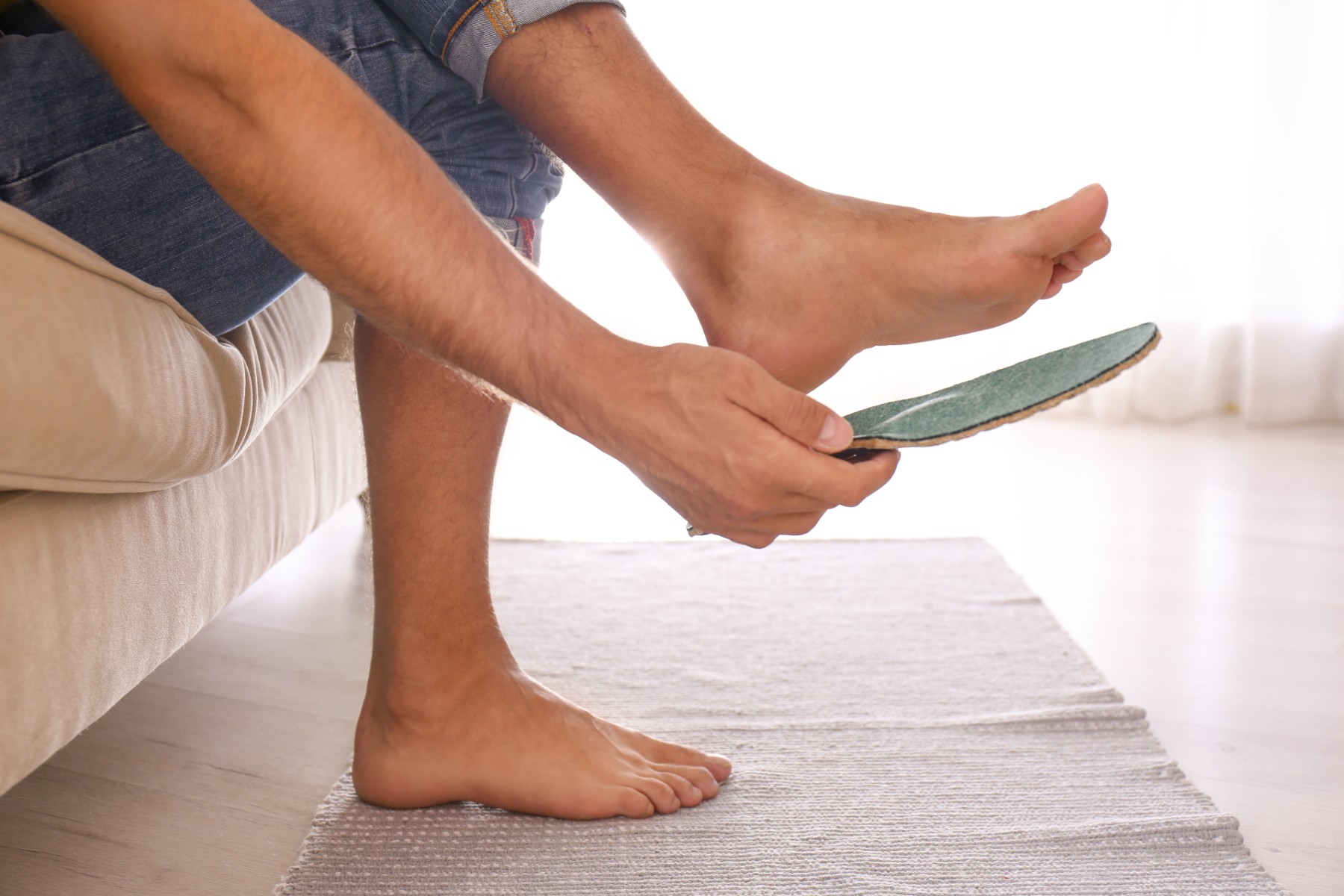
For most patients, custom foot orthotics are the cornerstone of flat feet treatment. These medical-grade devices are designed specifically for your feet and foot mechanics—not mass-produced or generic.
At Midwest Podiatry Centers, custom orthotics are prescribed after a thorough biomechanical evaluation to address both symptoms and the underlying cause of flatfoot deformity.
How Custom Orthotics Treat Flatfoot Deformity
Custom orthotics work by:
- Supporting the longitudinal arch to reduce further collapse
- Stabilizing the heel and limiting excessive inward rolling
- Redistributing pressure more evenly across the foot
- Reducing strain on the posterior tibial tendon
- Improving alignment of the foot, ankle, and leg during walking
This improves comfort while also slowing or preventing the progression of the deformity.
What Makes Custom Orthotics Different?
Unlike over-the-counter inserts, custom orthotics are:
- Individually molded to your foot shape
- Designed to correct alignment—not just cushion
- Built with specific posting and contouring for flatfoot mechanics
- Adjustable as your condition or activity level changes
Key Features of Effective Flatfoot Orthotics
- Structured arch support
- Deep heel cup for stability
- Heel posting to correct the inward tilt
- Forefoot adjustments for balance and propulsion
- Durable materials designed for long-term use
Benefits of Custom Orthotics for Flat Feet
Custom orthotics offer many advantages:
- Non-surgical treatment option
- Symptom relief for many patients
- Helps prevent worsening deformity in mild to moderate cases
- Allows continued activity with proper support
- No downtime or recovery period
- Cost-effective long-term management
Many patients experience meaningful improvement within weeks of consistent use.
When Orthotics Are Not Enough
While custom orthotics are highly effective, they do not reverse severe or rigid deformity. In some cases, flatfoot continues to progress despite appropriate conservative care.
That’s when surgical reconstruction may be considered.
Reconstructive Surgery for Flatfoot Deformity
Flatfoot surgery has advanced significantly over the past decade. Modern reconstructive techniques focus on restoring alignment, improving function, and preserving as much motion as possible—not just relieving pain.
The team at Midwest Podiatry Centers carefully evaluates each patient to determine whether surgery is appropriate and which procedures are necessary.
When Reconstructive Surgery May Be Recommended
Surgery may be considered for patients with:
- Rigid flatfoot deformity
- Progressive collapse despite orthotics
- Advanced tendon damage
- Flatfoot associated with arthritis
- Persistent pain after extended conservative treatment
- Functional limitations affecting quality of life
Modern Surgical Techniques for Flatfoot Reconstruction
Most flatfoot surgeries involve a combination of procedures, customized to address each component of the deformity.
Tendon Repair or Transfer
When the posterior tibial tendon is damaged, it may be reinforced or supplemented with another tendon to restore arch support.
Heel Bone Realignment (Calcaneal Osteotomy)
The heel bone may be repositioned to bring the foot back under the leg, improving balance and mechanics.
Midfoot Correction
Procedures may be performed to correct elevation or imbalance in the midfoot that often accompanies flatfoot deformity.
Combination Procedures
Many patients require multiple corrective procedures performed together to restore alignment fully.
Joint Fusion (When Necessary)
In advanced cases with arthritis, fusing one or more joints may be the best option to relieve pain and provide long-term stability.
Recovery After Flatfoot Reconstruction
Recovery depends on the procedures performed, but typically includes:
- A period of non-weight bearing
- Gradual return to walking with protective support
- Physical therapy to restore strength and gait
- Progressive return to daily activities over several months
While recovery requires commitment, many patients experience lasting improvement.
Outcomes With Modern Flatfoot Surgery
When appropriately selected and performed, reconstructive surgery can result in:
- Significant pain reduction
- Improved foot alignment
- Better stability and balance
- Increased ability to stay active
- Durable, long-term correction
Advances in surgical planning and technique have greatly improved outcomes over the last decade.
Choosing the Right Treatment Approach
Most patients should begin with custom orthotics and conservative care, which can successfully manage symptoms and slow progression. Surgery is reserved for cases where structural correction is necessary.
The team at Midwest Podiatry Centers works closely with each patient to discuss:
- Severity and flexibility of the deformity
- Lifestyle and activity goals
- Long-term expectations
- All available treatment options
Flat Feet Treatment at Midwest Podiatry Centers
Flatfoot deformity can significantly affect comfort, mobility, and quality of life—but effective treatment options are available. From advanced custom orthotics to state-of-the-art reconstructive surgery, Midwest Podiatry Centers offers comprehensive care tailored to your needs.
If you’re experiencing flat feet pain or progressive arch collapse, schedule an appointment today to explore the treatment options best suited for you.