
Why Heel Cracks Are Worse in Cold Minnesota Weather
Minnesota winters are known for their bitter, cold, and dry air, which can take a serious toll on your skin, especially your heels. The combination of low humidity, harsh temperatures, and indoor heating strips away natural moisture, making your skin more vulnerable to cracking and breakdown. Many people experience heel pain and cracked heels during winter, but the good news is that heel fissures are common and highly treatable. With proper care and professional guidance, you can prevent worsening pain and protect your foot health throughout the season.
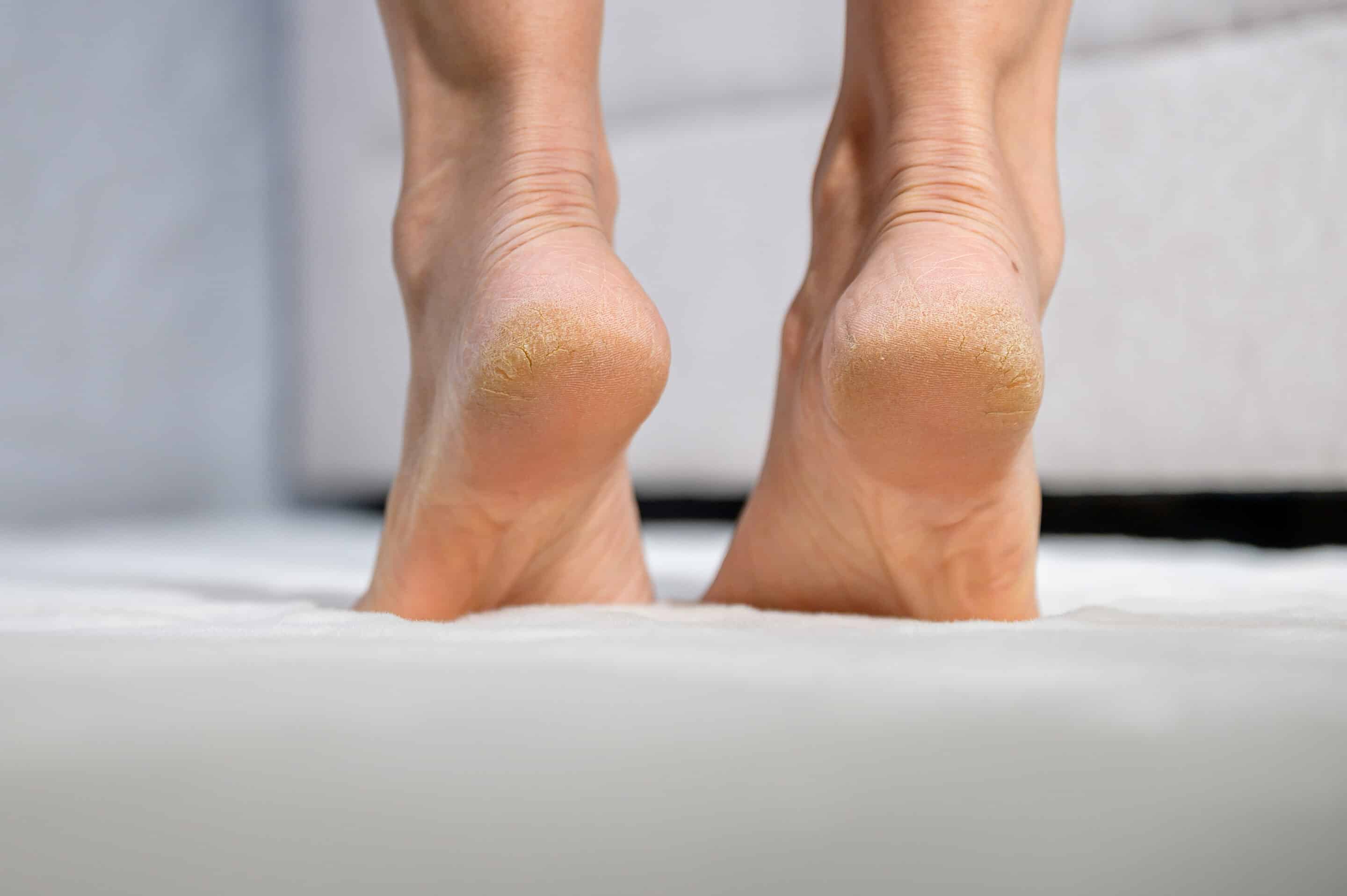
What Are Heel Cracks (Heel Fissures)?
Heel cracks, also known as heel fissures, are splits in the thickened skin on the bottom or edges of the heel. They typically develop when dry skin loses its flexibility and begins to split under pressure.
The skin on your heels naturally thickens to protect your feet from daily stress. However, when this skin becomes excessively dry, it loses elasticity. As you walk, stand, or move, pressure causes the rigid skin to crack. These fissures often occur in weight-bearing areas, where the heel absorbs the most force.
It is important to distinguish between mild dryness and true cracked heels. Cosmetic dryness may appear as flaky or rough skin, but heel fissures extend deeper into the skin and can cause pain, bleeding, and increased risk of infection. Once cracks deepen, they can significantly affect comfort and mobility.
Why Cold Minnesota Weather Makes Heel Cracks Worse
Minnesota’s winter climate creates the perfect conditions for heel fissures to develop and worsen.
Low Humidity Dries Out Heel Skin
Cold air naturally holds less moisture than warm air, which leads to dry skin during winter months. Indoor heating systems further reduce humidity levels, creating an even drier environment. Without sufficient moisture, the skin on your heels becomes brittle and loses elasticity, making it more likely to split under pressure.
Thick Socks and Boots Increase Pressure
Winter footwear, including heavy boots and thick socks, can contribute to heel cracks. While these items keep your feet warm, they also create friction and pressure. Rigid boot soles concentrate force on the heel, and repeated stress can deepen existing fissures or cause new ones to form.
Barefoot Walking on Cold Floors
Many people walk barefoot indoors during winter, especially at home. Hard, dry surfaces pull moisture away from the skin and increase impact on the heel. This combination accelerates dryness and makes heel pain in winter more likely, especially for individuals already prone to cracked heels.
Symptoms That Mean Your Heel Cracks Are More Than Dry Skin
Not all cracked heels are simply cosmetic. Certain symptoms indicate that heel fissures may require medical attention.
Watch for these warning signs:
- Pain when standing or walking
- Visible deep cracks or splitting skin
- Bleeding from the heel
- Burning, stinging, or tenderness
- Redness, swelling, or drainage indicating infection
Individuals with diabetes or poor circulation face a higher risk of complications. Even minor heel fissures can become serious if left untreated, making early care essential.
Who Is Most at Risk for Cracked Heels in Minnesota?
Certain individuals are more vulnerable to heel fissures, especially during Minnesota’s long winter season.
Those at higher risk include:
- People with naturally dry skin
- Individuals with eczema or psoriasis
- Workers who stand for long hours
- Runners and outdoor laborers
- Seniors, whose skin becomes thinner and less elastic
- Diabetic patients with reduced skin healing ability
- Anyone wearing unsupportive or rigid winter footwear
Because winter conditions persist for months, prolonged exposure increases the likelihood of cracked heels developing or worsening.
How Heel Cracks Lead to Heel Pain and Mobility Issues
Heel fissures can interfere with your normal walking pattern. As cracks deepen, every step places stress on the damaged skin, causing discomfort or sharp pain.
Many patients notice increased pain first thing in the morning, when the skin is stiff and less flexible. Over time, this discomfort may cause you to alter your walking pattern to avoid pressure on the heel. These compensatory changes can lead to additional foot, ankle, or leg pain.
If untreated, cracked heels can worsen and increase the risk of infection, chronic pain, and mobility limitations.
Safe At-Home Care for Cracked Heels During Minnesota Winters
Proper home care can help prevent heel fissures from worsening.
Moisturizing the Right Way
Moisturizing is one of the most effective ways to prevent cracked heels, but the type and timing matter. Apply moisturizers immediately after bathing, when skin is most receptive to hydration.
Creams containing urea or lactic acid are especially effective because they both hydrate and gently soften thickened skin. Regular lotions are often insufficient because they do not penetrate deeply enough.
Protective Measures
Protecting your heels can reduce pressure and promote healing.
Helpful strategies include:
- Wearing silicone heel sleeves or cups
- Using cotton socks overnight to lock in moisture
- Choosing supportive, cushioned footwear
- Keeping heels protected throughout the day
What to Avoid
Certain habits can worsen heel fissures, including:
- Using razors or aggressive scraping tools
- Applying strong acids without medical guidance
- Walking barefoot on hard indoor floors
- Ignoring painful or worsening cracks
These actions can increase injury risk and delay healing.
When to See a Podiatrist for Cracked Heels
Professional care is recommended if your cracked heels do not improve or become painful.
You should see a podiatrist if you experience:
- Cracks that bleed or do not heal
- Persistent or worsening heel pain
- Signs of infection
- Underlying medical conditions like diabetes
- No improvement after one to two weeks of home treatment
Minnesota winters create unique challenges for foot health, and early intervention can prevent more serious complications.
Professional Treatment Options for Heel Cracks
A podiatrist can provide safe and effective treatments tailored to your condition.
Professional treatments may include:
- Medical-grade removal of thickened skin
- Prescription-strength creams to promote healing
- Treatment of infections if present
- Custom orthotics to reduce pressure on the heel
- Preventative care plans designed for winter conditions
These treatments address both the symptoms and underlying causes of heel fissures.
Preventing Heel Cracks Before Next Winter
Prevention is the best strategy for avoiding cracked heels and heel pain.
Protect your heels year-round by:
- Maintaining daily hydration with proper creams
- Wearing supportive, cushioned footwear
- Using a humidifier indoors during winter
- Scheduling routine podiatry visits
- Treating dry skin early before cracks develop
Taking proactive steps can help keep your heels healthy even during Minnesota’s harsh winters.
Frequently Asked Questions About Cracked Heels in Cold Weather
Why do my heels crack every winter?
Cold air and indoor heating reduce humidity, causing skin to dry out and lose elasticity, which increases the risk of heel fissures.
Are cracked heels dangerous?
Mild cracks may be harmless, but deep fissures can cause pain, bleeding, and infection, especially in high-risk individuals.
Can cracked heels cause serious infections?
Yes. Deep heel fissures create openings in the skin where bacteria can enter, potentially leading to infection.
Do cracked heels heal on their own?
Minor cracks may heal with proper care, but deeper fissures often require professional treatment.
How long does it take for heel cracks to heal?
Healing time varies from a few days to several weeks, depending on severity and treatment.
Take the First Step Toward Healthier Heels
Heel cracks are a common problem during Minnesota winters, but they do not have to lead to ongoing pain or complications. Early treatment, proper foot care, and professional support can restore comfort and prevent future problems. If your cracked heels are painful, worsening, or not improving, scheduling an appointment with us can help you achieve lasting relief and protect your long-term foot health.