
Lunula Laser Therapy in Minnesota
Lunula Laser Treatment for Toenail Fungus in Minnesota
A Modern Solution for Persistent Toenail
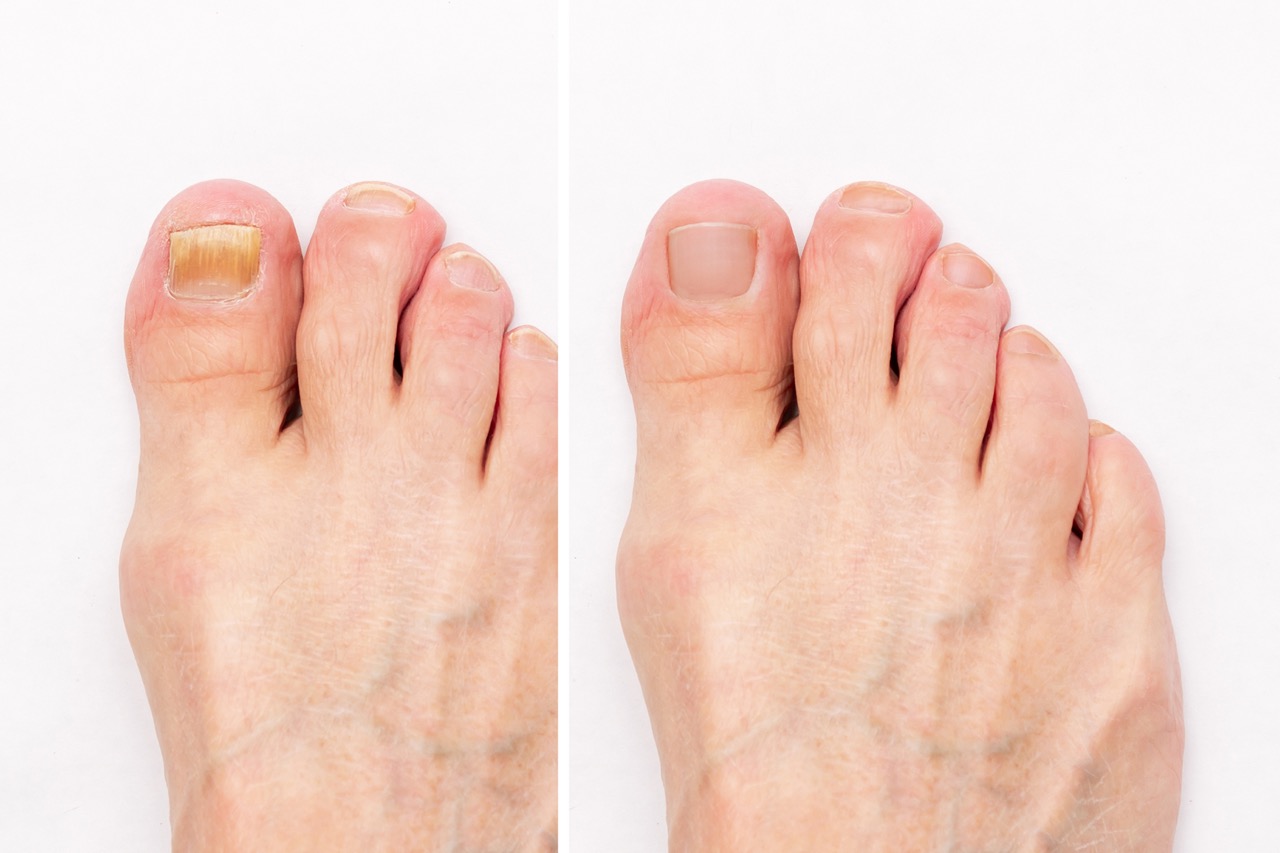
Toenail fungus — medically called onychomycosis — is a common condition that can cause nails to become thick, discolored, brittle, and difficult to trim. While it may start as a cosmetic concern, untreated fungal infections can gradually worsen, leading to discomfort and spreading to other nails.
Many people try over-the-counter creams or home remedies without success. The problem is that fungus lives underneath the nail, where topical treatments often cannot reach.
At Midwest Podiatry Centers in Minnesota, we offer advanced care using the FDA-cleared Lunula Laser, a gentle, non-invasive treatment designed to target toenail fungus and support healthier nail growth.
Confirming the Diagnosis First
Not every thick or discolored nail is caused by fungus.
In fact, research shows that approximately 40–50% of nails that appear fungal actually are not infected with fungus. Trauma, psoriasis, and other nail conditions can produce similar changes in appearance.
Because of this, our team performs diagnostic testing of the nail before treatment to confirm whether fungus is present. Testing ensures you receive the most appropriate care and avoids unnecessary treatment if the nail condition has another cause.
Understanding Toenail Fungus
Toenail fungus develops when fungal organisms grow beneath the nail plate. The condition thrives in warm, moist environments such as sweaty shoes, locker rooms, and communal showers.
Common symptoms may include:
- Thickened nails
- Yellow, white, or brown discoloration
- Brittle, crumbly nail texture
- Nails lifting away from the nail bed
- Irregular or distorted nail shape
Since the infection develops beneath the nail, it can be difficult to eliminate without professional care.
Why Home Treatments Often Fall Short
Many over-the-counter products promise to eliminate fungal nails, but they frequently produce limited results.
Several factors make fungal nail infections difficult to treat:
- The nail plate blocks topical medications from reaching the infection
- Toenails grow slowly, delaying visible improvement
- Fungal spores can persist in shoes and socks
- Reinfection is common without proper care
A professional evaluation allows our podiatry team to identify the infection and recommend a treatment plan that targets the source.
Lunula Laser Toenail Fungus Treatment
The Lunula Laser provides a safe, non-invasive option for treating fungal toenails without medications or surgery.
How the Lunula Laser Works
This advanced therapy uses low-level laser light to:
- Penetrate the nail plate safely
- Disrupt fungal organisms beneath the nail
- Support the body’s natural healing response
- Encourage the growth of clearer, healthier nails
The treatment is gentle and requires no injections, no incisions, and no recovery time.
Most patients return to their normal activities immediately after their appointment.
Is Laser Treatment Safe?
Yes. The Lunula Laser is FDA-cleared and designed specifically for treating toenail fungus.
Unlike oral antifungal medications, the laser treatment does not circulate through the bloodstream, which means it avoids the systemic side effects that can sometimes occur with prescription drugs.
Patients generally report little to no discomfort during treatment.
What to Expect During Your Appointment
Laser treatment is quick and convenient.
Typical treatment visits include:
- About 12 minutes of treatment per foot
- A comfortable, in-office procedure
- No downtime after the session
Depending on the severity of the infection, multiple sessions may be recommended to achieve the best results.
Because toenails grow slowly, visible improvement typically occurs as the new, healthy nail grows in over the following months.
Who Is a Good Candidate for Lunula Laser Treatment?
Laser treatment may be recommended for patients who:
- Have thick or discolored toenails
- Have confirmed fungal nail infections
- Did not respond to topical medications
- Prefer to avoid oral antifungal drugs
- Experience recurring fungal nail infections
Patients with underlying health conditions, such as diabetes, can discuss safe treatment options with our podiatry team during their evaluation.
Preventing Toenail Fungus From Coming Back
Preventive care can help reduce the risk of reinfection. Helpful habits include:
- Keeping feet clean and dry
- Wearing breathable footwear
- Choosing moisture-wicking socks
- Disinfecting shoes regularly
- Treating athlete’s foot promptly
- Scheduling routine foot care with your podiatrist
Preventing Toenail Fungus From Coming Back
Is the Lunula Laser treatment painful?
Most patients report little to no discomfort during the procedure.
How many treatments will I need?
The number of sessions depends on the severity of the infection and how many nails are affected.
How long does it take to see results?
Toenails grow slowly, so improvement becomes visible as the healthy nail grows out over several months.
Will insurance cover laser treatment?
Laser treatment for toenail fungus is typically not covered by insurance plans. However, many patients are able to use Health Savings Account (HSA) funds to pay for treatment. Our team can help answer questions about payment options.
Can fungal nails return after treatment?
Yes. Fungal infections can recur, especially in warm, moist environments. Preventive care can significantly reduce the risk of reinfection.
Schedule a Toenail Fungus Evaluation
If you’re struggling with thick, discolored nails, professional care can help you determine the cause and find an effective solution. At Midwest Podiatry Centers in Minnesota, we combine diagnostic testing with advanced Lunula Laser technology to help patients achieve healthier nails. Call (612) 788-8778 today to schedule your evaluation and take the first step toward clearer, healthier toenails.